The word orthodontics means “to straighten teeth”, and it is a type of dental treatment that aims to improve the appearance, position and function of teeth that are crooked or badly positioned.
Most parents want the best for their child: straight teeth, properly sized jaws, a good profile and a broad, beautiful, beaming smile. It is important that your dentist monitors that teeth, gums, jaws and bite develop properly, and the earlier your child is checked, the more likely these situations are to be identified.
Due to advances in knowledge and techniques, Dr Yasmin George is able to detect potential problems from as early as age five, and early treatment may prevent more serious problems from developing or make future treatment less complicated and less lengthy.
Load More

 Book Now
Call 01784 453 448

 Back to Teeth Straightening

From minor concerns to more complex dental issues, we offer tailored treatments designed around you.
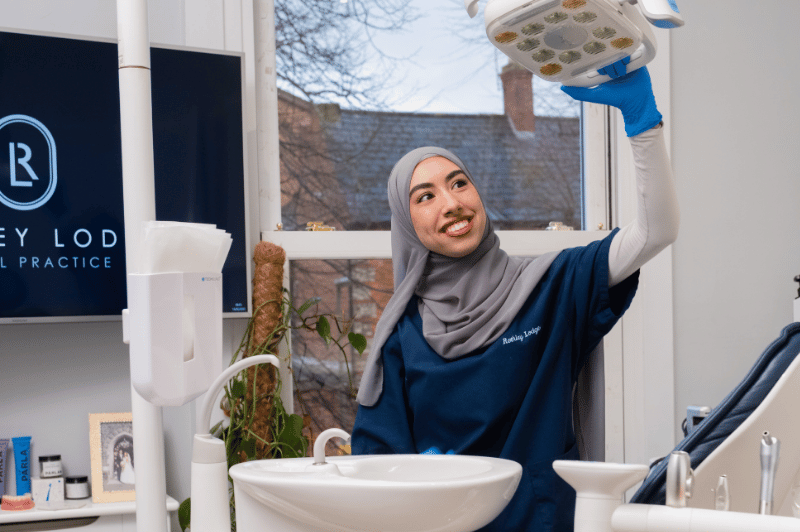

In the past, it was thought necessary to remove teeth to “make room” for the remaining teeth to fit side by side when newly aligned in what had been a crowded jaw. Orthodontists and dentists now understand how to widen the palate and broaden the jaw, making room for all the teeth and creating broad, natural and attractive smiles. These techniques, often referred to as Functional Jaw Orthopaedics, are of course most effective when the jaw and palate are still growing.
Book Now
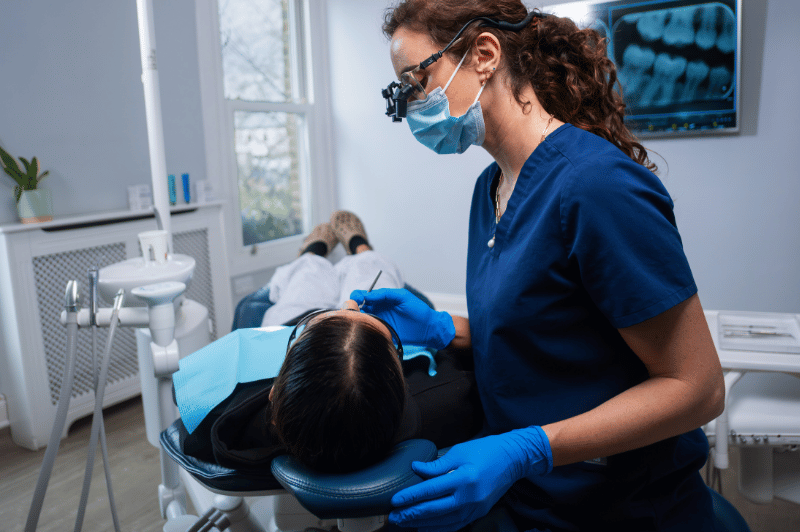

Recent advances can now save children and particularly teenagers the embarrassment of having to cope with metal braces on their teeth. Tooth-coloured brackets and wires can be used; for less severe cases, clear plastic aligners such as Invisalign are available and are virtually invisible. Brackets can also be fixed on the inside surface of the teeth rather than the outside, visible surface.
Book Now
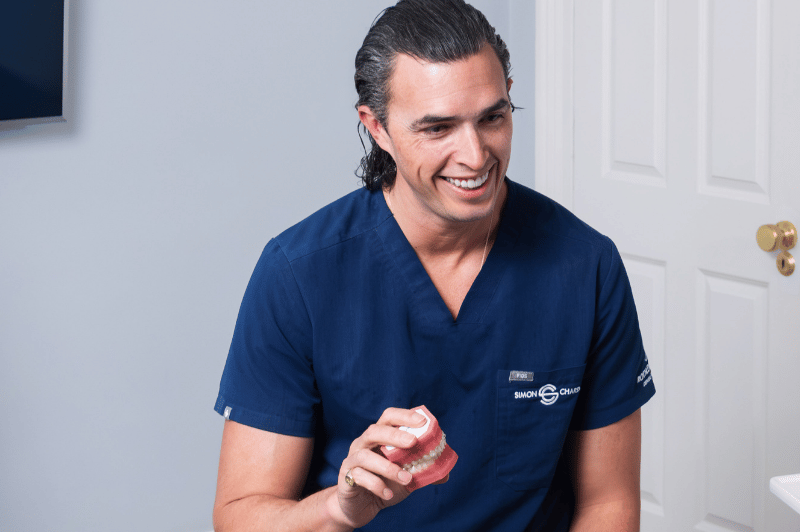
Early intervention can simplify or eliminate the need for later treatment. Mixed dentition treatment is an important subject because early treatment cannot only correct the occlusion (or bite) but also may ensure normal development of the teeth and jaws.
One of the main advantages of early treatment is that the majority of malocclusions can be corrected without the extraction of permanent teeth and non-surgically.
Book Now
For those patients who have clear indications for early intervention, early treatment presents the opportunity to:
Book Now
Phase I or interceptive treatment usually starts about age 7-9, when the child has most primary teeth and a few permanent teeth (incisors and I molars). The goal of Phase I treatment is to correct moderate or severe orthodontic problems, including skeletal discrepancies, crossbites and severe crowding. Phase I treatment takes advantage of the early growth spurt and turns a difficult orthodontic problem into a more manageable one. This often helps to reduce the need for extraction or surgery and delivers better long-term stability. Most Phase I patients require a second Phase of treatment to achieve an ideal final bite.
Phase II treatment usually occurs after the remaining permanent teeth erupt, including second molars. This most commonly occurs at the age of 12 or 13. The goal of Phase II treatment is to achieve an ideal bite with all of the permanent teeth. Dental problems are solved with fixed appliances in the permanent dentition. The University of the Pacific’s orthodontic department has conducted a research project on early orthodontic treatment. The study involved patients who received an initial Phase I of treatment between the ages of 8 and 10. Patients who received Phase I early treatment had fewer visits, shorter treatment times and significantly lower orthodontic fees than those who required full-banded orthodontic treatment.
Select the option that suits you best. Our team is here to guide you at every stage.


Schedule a personalised appointment at Rothley Lodge.


Arrange a convenient online meeting with our team.


Ask a quick question about treatments or availability.


Speak directly with us to arrange your visit.
A closer look at our practice, our team and the care behind every smile.